
Written & Reviewed by Winnah Javier-Fajarillo, Founder and CEO | November 2026
Yes. Companion care in Arcadia, AZ gives an isolated senior a familiar person who comes on a set schedule for conversation, outings, errands and help around the house. That steady contact is the first thing isolation takes away. At A Kind Heart Healthcare Services, we match each person with a caregiver they get to know, and we build the visits around the life they already have.
Most people don’t plan for loneliness. You plan for the house and the paperwork. But if you like to think a few years ahead, you’ve probably noticed how quiet a week can get once driving gets harder or friends move away. Isolation rarely shows up all at once. It builds in small, quiet steps, and the best time to plan for it is before it starts.
Why Isolation Sneaks Up on Seniors
Living alone isn’t a problem by itself. It does mean fewer chances for someone to notice a change, or just to talk. According to the Administration for Community Living, about 28% of older adults living in the community lived alone in 2023.
Getting out matters too. The same report found that in 2022, 13% of adults 65 and older had difficulty doing errands alone, such as visiting a doctor’s office or shopping. A skipped errand is usually a skipped conversation too.
And it isn’t only about mood. The National Institute on Aging says loneliness and social isolation are associated with higher risks for health problems.
How Does Companion Care Help an Isolated Senior?
It puts a real person back into the week, on a schedule you can count on. A good companion isn’t a visitor who fills time. It’s someone who learns how you like your coffee and what you’ve stopped doing that you miss.
- Regular conversation: A familiar face a few times a week or every day, so the days don’t blur together.
- Getting out again: Company on errands, appointments, worship or a walk, so a hard trip doesn’t turn into a skipped one.
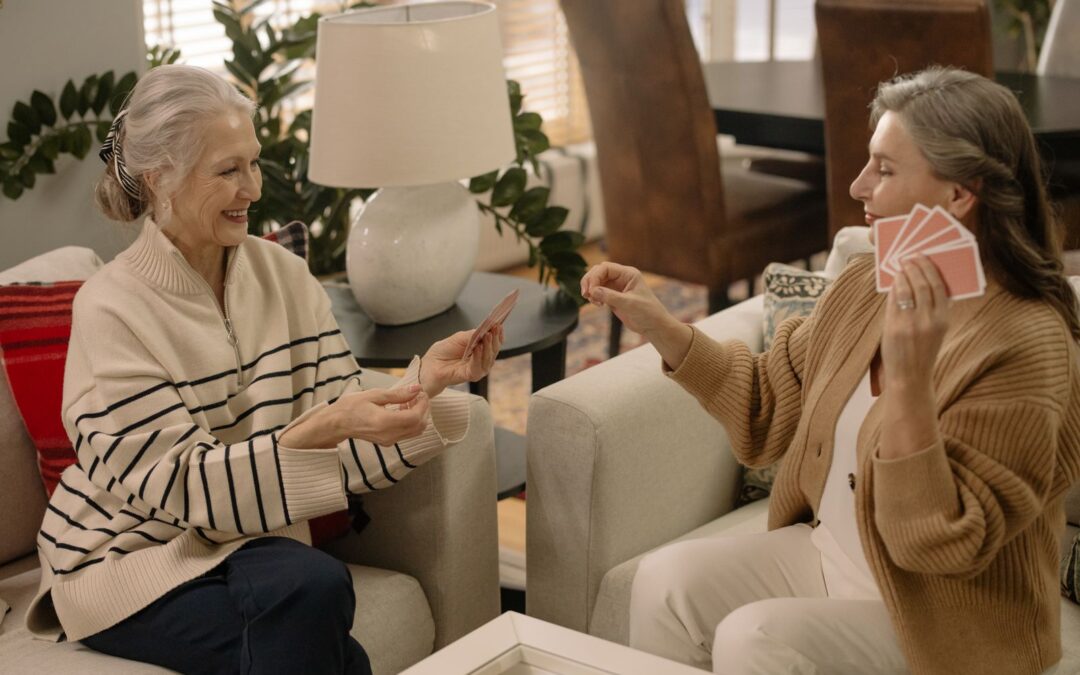
- Shared hobbies: Cards, cooking, gardening, old photo albums, done with someone instead of alone.
- Help around the house: Light housekeeping, meal preparation and medication reminders, so chores don’t eat the energy you’d rather spend on people.
- Someone who notices: A caregiver who sees you often will spot a change in appetite, sleep or spirits early.
Senior Companion Care Works Best When You Plan Early
Here’s our honest view: the best time to set up companionship care at home is while you still feel fine. Starting early means you choose the caregiver, the schedule and the pace. Wait for a crisis, and those choices get made in a hurry, often by someone else.
In a neighborhood like Arcadia Proper, where many homes sit on large lots and neighbors don’t always pass by, that planning matters even more. When you talk to any agency, ask:
- Who will come: Ask how caregivers are matched and how often you’ll see the same person.
- How flexible the schedule is: You may want a few hours a week now and more later.
- Whether there’s a contract: We don’t require a long-term one, and we don’t think anyone should.
- Who checks on the care: Ask whether a nurse or senior staff member does regular wellness checks. Ours do.
Elderly Companion Care From a Nurse-Owned Team
Our founder, Winnah, trained as a registered nurse in the Philippines, where elders are cherished and cared for within the family. That’s still how we work: we treat the people we care for like family, not like an appointment on a calendar. A Kind Heart is nurse-owned, offers 24/7 on-call support and coordinates with your doctors when you’d like.
Companionship is often where care begins. Our respite care gives a family caregiver a real break, and senior home care adds more hands-on help as needs grow.
You don’t have to wait for a lonely season to start. Talk with us about companion care now, while you’re the one making the choices. At A Kind Heart Healthcare Services, your first in-home assessment is free, and we’ll build a plan around the life you want to keep. Reach out to our team whenever you’re ready.
Frequently Asked Questions
1. What’s the difference between companion care and personal care?
Companion care focuses on company and everyday help: conversation, outings, light housekeeping, meals and reminders. Personal care adds hands-on help with bathing, dressing and moving around the house. Many people start with companionship and add personal care later, and we adjust the plan as things change.
2. How many hours of companion care does a senior need?
There’s no set number. Some people want two or three visits a week for conversation and errands. Others want someone there most of the day, or live-in care. We’d rather start with what feels right and adjust than lock you into a schedule. Our free in-home assessment is where we work out a starting plan together.
3. Is companion care worth it for someone who’s still fairly independent?
Yes, and that’s often the best time to start. Companion services for elderly adults aren’t only for people who need a lot of help. They’re for anyone who wants more company, a hand with chores or someone to go along on outings. Starting early lets you build a real relationship with your caregiver.
4. How quickly can companion care start?
We can usually have a caregiver in place within 24 hours of your first call. We start with a free in-home assessment to learn your routine, your interests and what you’d like help with, then match you with a caregiver who fits. If you’re planning ahead, you can also pick a start date that suits you.
5. How can companion care be paid for?
We accept long-term care insurance and Veterans benefits, along with credit or debit cards, bank transfers and health savings accounts. Whether a policy covers companion care depends on its terms, so check with your insurer first. We’re happy to walk through the paperwork with you.
Sources
- Administration for Community Living (U.S. HHS), 2023 Profile of Older Americans, 2023: About 28% of older adults living in the community lived alone in 2023.
- Administration for Community Living (U.S. HHS), 2023 Profile of Older Americans, 2022: In 2022, 13% of adults 65 and older had difficulty doing errands alone, such as visiting a doctor’s office or shopping.
- National Institute on Aging (NIH), 2024: Loneliness and social isolation are associated with higher risks for health problems.